







Search Results for: Sifting with a Sieve
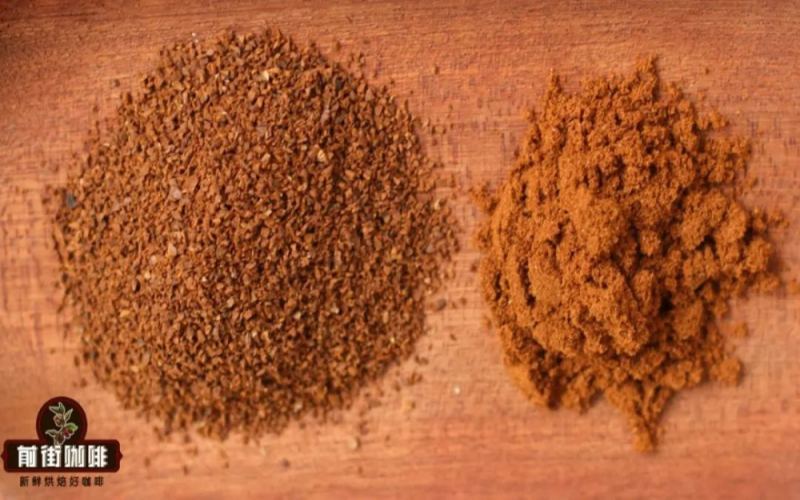
A Practical Guide to Fine Particle Management in Pour-Over Coffee: Sifting Criteria, Reintroduction Ratios, and Brewing Timing
Fines in pour-over coffee are always a double-edged sword: retaining them can bring complexity, but they can also easily cause clogging and over-extraction; discarding them entirely can improve consistency, but it makes the flavor seem flat. Front Street Coffee, combining its own experiments with online discussions, first explains why fines need to be sifted out, then provides two practical solutions—one is to control the amount added back to within 10% of the total dose and reduce the water volume accordingly; the other is to add the fines after the second pouring stage to reduce the risk of negative flavors. The article also records measured data from sifting 2.5 g of fines from 15 g of grounds, and notes that high-precision grinders also produce fines; the key is proper management rather than simply removing them. [more…]

How to Interpret Coffee Grind Settings from 1-10? A Detailed Guide to EK43 Grinder Calibration and Pour-Over Coarseness Selection
Grind size has a decisive influence on the final flavor of a cup of coffee: if the grounds are too fine, over-extraction is likely; if too coarse, under-extraction may occur. Faced with the 1-to-10 settings on a grinder, many coffee enthusiasts don't know how the numbers correspond to coarseness, nor are they clear about what grind level to choose for different brewing methods. Drawing on the practical experience of Front Street Coffee, this article systematically sorts out the standards for coffee grind size, the appropriate grind levels for common brewing methods, and the reference values for the EK43 grinder. It also explains in detail how to use a 0.85mm No. 20 sieve for sieve verification, helping you accurately judge and adjust grind size at home, so that every cup of coffee can consistently present its ideal flavor. [more…]
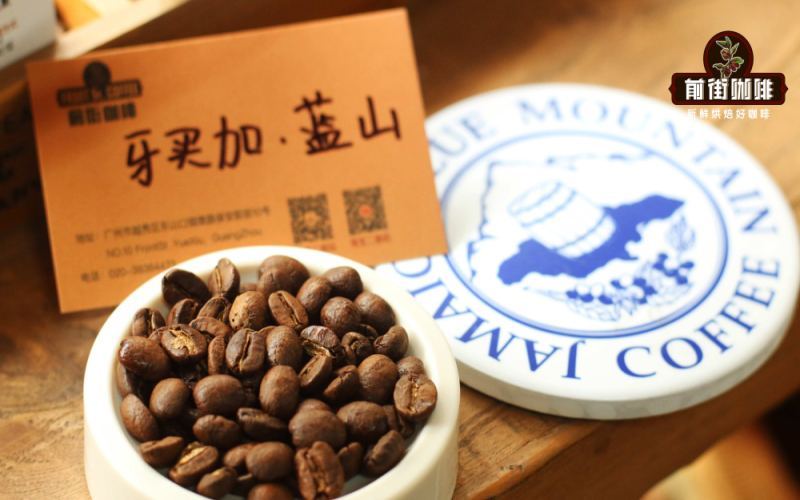
The Complete Guide to Pour-Over Jamaican Blue Mountain Coffee: Water-to-Coffee Ratio, Water Temperature, and Three-Pour Technique Explained
Blue Mountain coffee is scarce in production and commands a high price per cup in cafés, leading many enthusiasts to buy Blue Mountain coffee beans and brew them at home by pour-over to save money. However, few people can accurately bring out the flavor of Blue Mountain coffee. This Clifton Estate Blue Mountain No. 1, introduced by Front Street Coffee, comes from the oldest coffee estate in the Blue Mountains and is the only Blue Mountain estate with Rainforest Alliance certification. It uses the Typica variety and washed processing, and its flavor is known for dark chocolate, nuts, cream, and a balance of acidity, sweetness, and bitterness. This article will systematically explain how to correctly brew Blue Mountain coffee by pour-over from four dimensions—water temperature, grind size, coffee-to-water ratio, and brewing technique—to help you consistently present this top-tier bean's richness and balance at home. [more…]
A Complete Guide to Coffee Grind Size: Grind Standards for Pour-Over, Espresso, and Moka Pot with Front Street Brewing Tips
Grind size is one of the core variables that determines the direction of coffee flavor. If the grounds are too coarse, flavor compounds are under-extracted and the coffee tastes thin as water; if the grounds are too fine, bitterness and off-flavors are over-released, throwing the cup out of balance. It is often said in coffee circles that "the grinder is more worth investing in than the coffee machine," which shows just how critical grinding is. This article systematically covers the medium-fine and medium-coarse grind standards for pour-over coffee, the practical method of sifting grounds with a 0.85mm sieve, the ultra-fine grind required for espresso under 9 bar of pressure, and the grind range for the moka pot that falls between the two. It also draws on Front Street Coffee's brewing experience to offer water temperature recommendations for different roast levels and espresso blend bean recommendations. [more…]
How to Choose the Grind Size for Pour-Over Coffee? A Practical Guide from Extraction Principles to Sieve Calibration
The flavor expression of pour-over coffee is directly related to the grind size. The coarseness of the particles not only determines how easily water passes through the coffee bed, but also influences the efficiency with which flavor compounds are released. When the grind is finer, extraction resistance increases, the flow rate slows, and the coffee tends toward intensity; when the grind is coarser, water passes through smoothly, the extraction yield drops, and the flavor tends toward weakness. So in everyday brewing, how can you find the right grind setting for beans of different roast levels? Starting from Front Street's brewing experience, this article sorts out the specific effects of grind size on extraction, explains the typical manifestations of over-fine and over-coarse grinds during brewing, and introduces a method for judging whether the grind is appropriate using a 0.85mm test sieve. [more…]
How to Make Coffee Sweeter? Four Front Street Coffee Recommendations with Prominent Sweetness and a Brewing Tips Guide
Many people pursue sweetness in coffee because sweetness promotes dopamine secretion and brings a pleasurable experience. But sweetness in coffee does not exist independently; it is presented through the balance between acidity and bitterness: the sweetness of light-roasted beans is hidden in the sweet-and-sour fruit profile of high acidity and low bitterness, while the sweetness of dark-roasted beans is integrated into the caramel and maple syrup flavors of low acidity and high bitterness. This article first recommends four Front Street Coffee beans with strong sweetness—Panama Boquete Geisha, Mozart, Queen's Estate, and Golden Mandheling—and then provides sweetness-brewing approaches for medium-light roasts and medium-dark roasts respectively: light-roasted beans can release mid-palate sweetness by increasing water temperature, sieving out coarse grounds, and adjusting the pouring technique; dark-roasted beans use a high-strength, low-extraction strategy, paired with a slow-flow dripper and gentle pouring, to reduce the release of bitterness. Whether you are a beginner or an advanced player, you can find actionable sweetness-brewing solutions here. [more…]
How to choose the grind size for pour-over coffee? A full analysis of extraction yield, flavor and mouthfeel, and sieve pass-through rate standards.
Grind size is one of the core variables determining the extraction outcome and flavor direction of pour-over coffee. This article systematically examines how coffee particle size affects flow rate and extraction efficiency, compares the typical behaviors when the grind is too fine versus too coarse, and provides reference grind ranges for different brewing devices such as cupping, pour-over, espresso, moka pot, cold brew drip, and French press. It also introduces the calibration method using the No. 20 sieve pass-through rate to help you find the appropriate grind setting between medium-light and medium-dark roasted beans. The article also incorporates Front Street Coffee products such as Huakui, Geisha, Sidra, PWN Golden Mandheling, Queen's Estate, and Blue Mountain No. 1, offering corresponding grind recommendations and extraction approaches. [more…]
Should Fine Particles Be Sifted Out of Pour-Over Coffee? An Analysis of How Grind Uniformity Actually Affects Extraction
When encountering slow drainage and muddy flavors during pour-over coffee brewing, many people's first reaction is to blame the fines, so they buy a sieve to try to solve it. But after sifting out the fines, the clogging does improve, yet the taste becomes flat and dull—why exactly is that? What role do fines actually play in extraction? Starting from a real confusion shared by a friend with Front Street Coffee, this article discusses the dual nature of fines, the actual effect of sieves, and the reasonable direction for choosing pour-over grind size, helping you clarify the balance between grind and flavor. [more…]
Why Extract Coffee at Different Temperatures? Analyzing Three-Temperature Variable-Temperature Brewing and Pour-Over Water Temperature Selection
In pour-over coffee, when extraction parameters are too high, it is usually possible to dial them back, but if over-extraction is caused by too many fines from the grinder, adjusting parameters alone is often not enough to solve the problem. In this case, sifting out the fines or adopting variable-temperature brewing are both response options recognized by Front Street Coffee. This article will focus on variable-temperature brewing: it is not a minor adjustment of 2~3°C, but rather segmented extraction with a larger temperature differential, controlling the dissolution rhythm of flavor compounds through high-temperature fast extraction and low-temperature slow release. The article will trace the origins of this method, analyze the championship cases of Wu Zelin and Emi, explain how to use cold water to regulate temperature and achieve a variable-temperature operation that starts high and ends low, and share in detail the practical process of the "Devil Brewing Method" by Tetsu Kasuya, which Front Street Coffee favors. [more…]
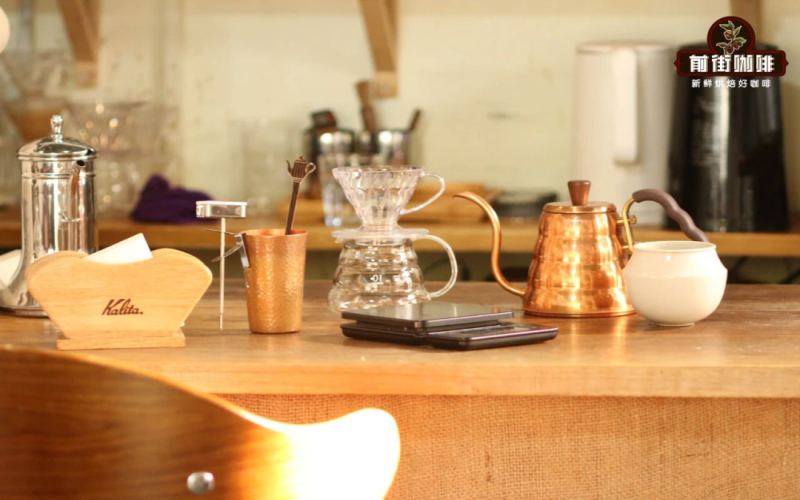
Pour-Over Coffee Basics for Beginners | What Pour-Over Coffee Equipment Do Coffee Beginners Need to Prepare? What Roles Do the Coffee Pot, Coffee Grinder, Powder Sifting Net, and Coffee Dripper Play?
With the rise of the third wave of specialty coffee, more and more people are paying attention to coffee, including how to make a cup of coffee. Front Street Coffee believes that if you want to make coffee at home, the simplest option is pour-over coffee, since the equipment you buy isn't as bulky as an espresso machine and [more…]
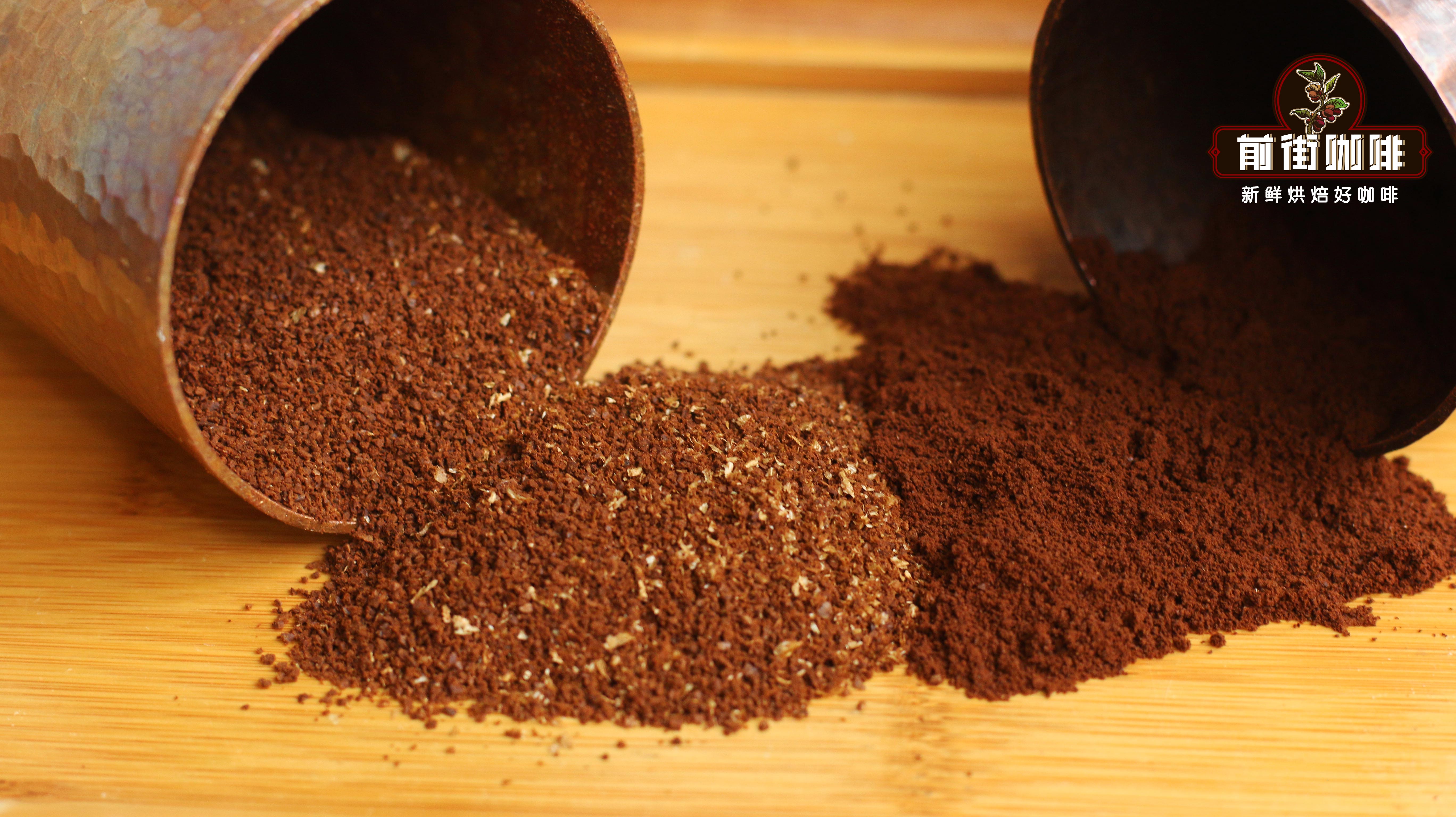
Coffee Grind Size Parameters | Pour-Over, Cold Brew, Ice Drip, Moka Pot – How Fine Should Coffee Grounds Be? A Guide to Using the Common Coffee Grind Size Reference Chart
"Excuse me, what grind size should I use for pour-over coffee?" "Why is the grind at setting 10 on your machine different from setting 10 on mine?" "When you say 'sugar-like,' do you mean caster sugar, granulated sugar, or brown sugar?" ... Are you still struggling to find the right grind size for your coffee brewing device? Front Street has an article to [more…]
Ninety Plus Candle Glow Coffee Flavor Analysis: Roasting Key Points and Brewing Grind Adjustments for Natural Sidamo
Candlelight Coffee is a naturally processed Ethiopian bean from the LevelUp series by Ninety Plus, named for its flavor profile. It comes from the Sidama region, and its name means "the best way" in the local dialect. This article begins with the background of the Ninety Plus brand, then outlines Candlelight's origin characteristics, flavor expression, and roasting approach. It also documents a grind size comparison experiment conducted by Front Street Coffee using the same batch of beans, examining how different grind coarseness affects TDS concentration and the drinking experience. The article also organizes the N2, H2, and W2 labeling logic that Ninety Plus uses to classify flavor directions, helping coffee enthusiasts understand what makes this bean unique and how to adjust their brewing. [more…]
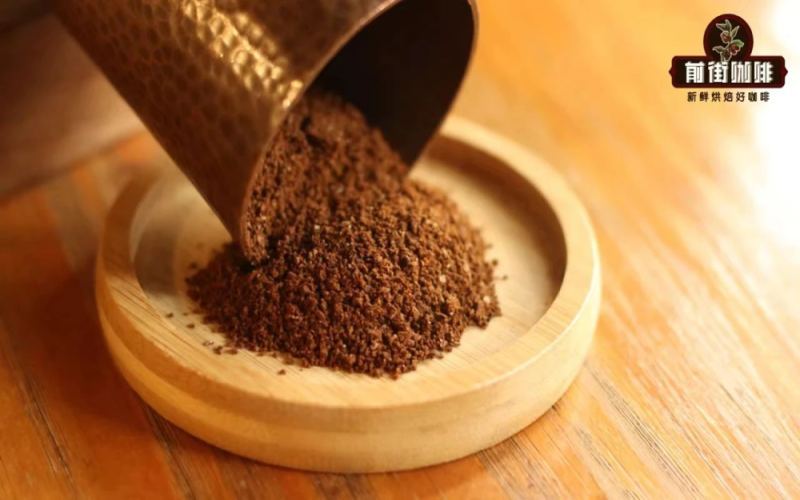
How do you determine the grind size for pour-over coffee? Can coffee grounds be brewed directly?
In the process of making pour-over coffee, water temperature, grind size, and coffee-to-water ratio are the three key variables that affect the final flavor. Among them, grind size directly determines the particle size and uniformity of the coffee grounds, which in turn affects the efficiency with which water extracts flavor compounds as it passes through the coffee bed. So, when faced with coffee beans of different characteristics, how do we find the most suitable grind setting? And when the grind is too fine or too coarse, what typical signs show up during brewing? In this article, Front Street Coffee will systematically explain the mechanism by which grind size affects extraction, and introduce a method that uses a standard sieve to accurately determine whether the grind is appropriate, helping you adjust grind parameters on a more informed basis in your daily brewing. [more…]
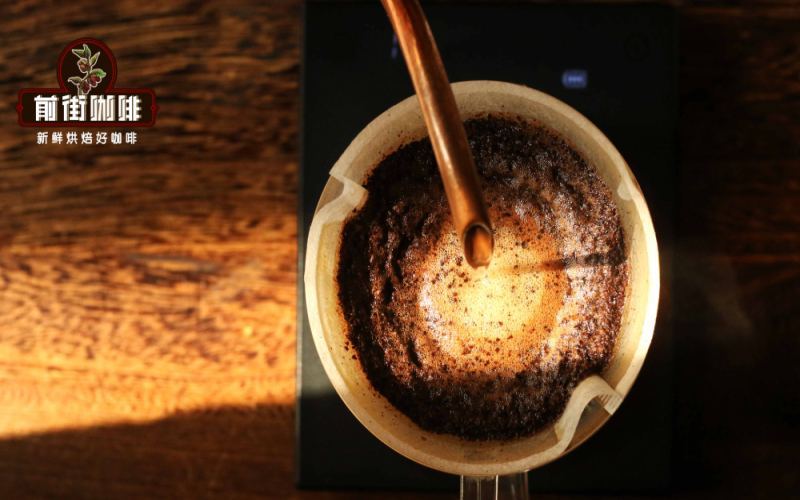
A Beginner's Guide to Pour-Over Coffee: From English Terminology to the Seven Elements and the Three-Pour Technique Explained
The correct English term for hand-brewed coffee is "Pour over coffee," not the literal translation "Hand coffee." This brewing method, which extracts coffee liquid under one atmosphere of pressure using a dripper and filter paper with a steady pouring technique, has strict requirements for grind size, water temperature, pouring technique, and timing, making it a real test of the brewer's skill and expertise. This article, drawing on the hands-on experience of Front Street Coffee, systematically outlines the basic concepts of pour over coffee, the seven key factors that determine flavor, and breaks down in detail a three-stage pouring process suitable for beginners, helping coffee lovers consistently brew a cup of full-aroma good coffee at home. [more…]
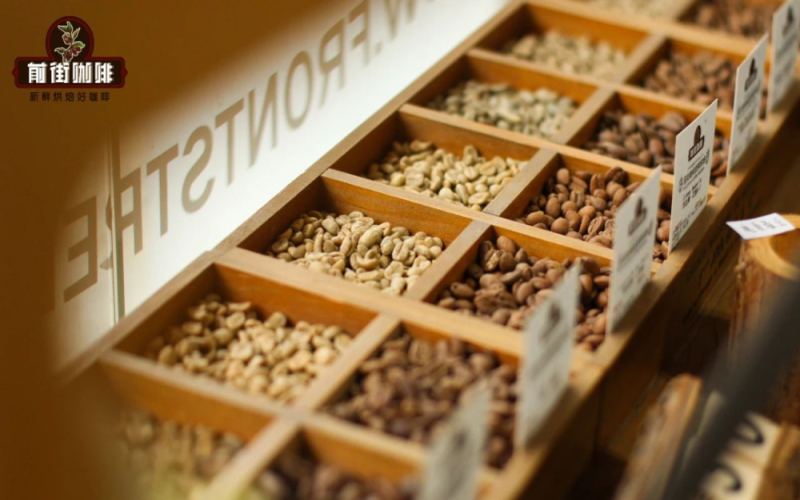
How to Determine the Coffee-to-Water Ratio for Pour-Over? A Comprehensive Analysis from the Golden Cup Extraction Standard to Practical Parameters
For enthusiasts who are just getting into pour-over coffee, the coffee-to-water ratio is often the first source of confusion: exactly how much coffee grounds should be paired with how much water? Starting from the hands-on experience of Front Street Coffee, this article systematically sorts out the definition of pour-over coffee, the logic for determining the coffee-to-water ratio, the concentration range of the SCAA Golden Cup extraction standard, and the seven major factors that affect extraction. The article not only provides the calculation basis for the general parameter of 1:15, but also explains in detail key steps such as grind size correction, water temperature selection, and dripper choice. Finally, it includes the specific brewing recipe and flavor description for Front Street Yirgacheffe Gedingding, helping beginners build a complete framework of pour-over knowledge. [more…]
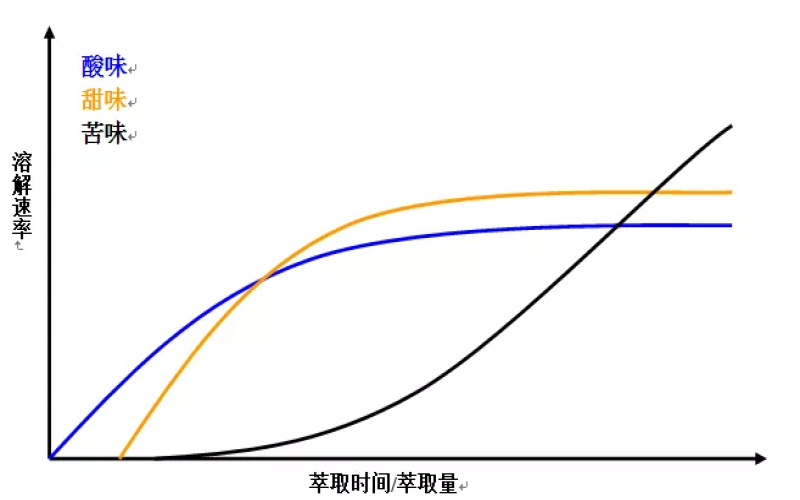
A Coffee Newbie-Friendly List of Single-Origin Beans for Pour-Over | What Key Points in Pour-Over Can Enhance Coffee Sweetness? Which Beans with Strong Sweetness Are Recommended?
Why are we so obsessed with brewing coffee to be sweet? Probably because sweetness can trigger dopamine release, making us feel pleasure! If you want to brew coffee sweet, you first need to understand coffee's sweetness. Coffee's sweetness does not exist independently; it stands out through the balance between acidity and bitterness. For example, light-roasted coffee [more…]
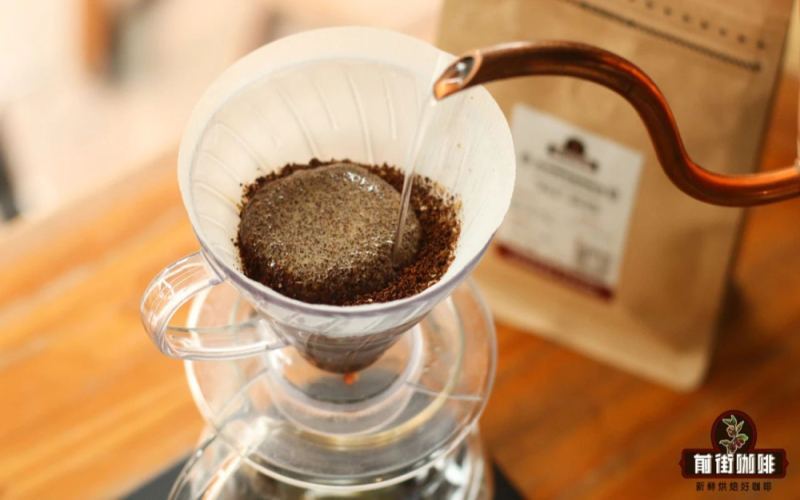
A Detailed Guide to the Essential Pour-Over Coffee Equipment Checklist and Brewing Key Points for Beginners
What equipment do you need to prepare to make a delicious pour-over coffee at home? And what key points should you master during brewing? This article starts with equipment such as the pour-over kettle, dripper, grinder, thermometer, digital scale, filter paper, sifting mesh, and server, introducing one by one the mainstream choices in each category and Front Street Coffee's experience using them. It then explains six aspects: water temperature, grind size, coffee-to-water ratio, water quality, coffee beans, and brewing technique, helping beginners get started quickly and produce consistent results. [more…]
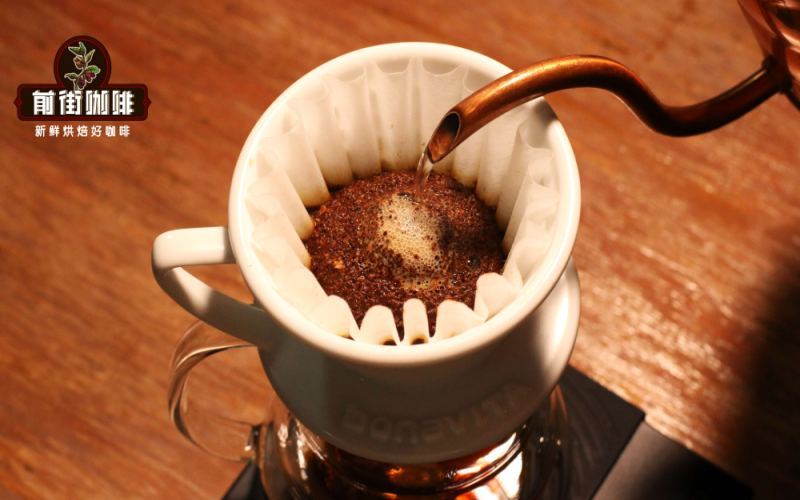
Pour-Over Coffee and Espresso Grind Size Explained: Coarseness Standards, Sieve Pass Rates, and the Science Behind Moka Pot Crema
Grind particle size is one of the key variables that determines the direction of coffee flavor. Starting from the practices of Front Street Coffee, this article systematically reviews the influence of grind size on extraction efficiency in pour-over coffee, the grind standards suited to medium-light and medium-dark roasts respectively, and how to use a 0.85mm No. 20 sieve to test the pass-through rate. It also extends to the extremely fine grind requirements of espresso, explains the effect of the grinder burr spacing on extraction time, and provides the specific extraction parameters and flavor description of Front Street espresso. In addition, the article also explains the relationship between the choice of Moka pot coffee grounds coarseness and the oils it produces, helping coffee enthusiasts find a grind plan suitable for their own equipment at home. [more…]

How Long to Finish Freshly Ground Coffee? | For Pour-Over, Cold Brew, Ice Drip, Moka Pot, and Espresso, How Do You Determine Grind Size? How Do You Adjust the Coffee Grind Setting?
For more specialty coffee knowledge, please follow: Front Street Coffee (Frontsteet Coffee). The coarseness or fineness of the grind in coffee directly affects the contact area between the coffee and water as well as the coffee extraction time, and it will directly affect the taste of the coffee. But at the same time, the coffee grind size is also what gives many people the biggest headache. [more…]
How to Make Pour-Over Coffee for Two | How Should the Coffee-to-Water Ratio for Pour-Over Coffee Be Allocated? What Coffee Strength Does the SCAA (Specialty Coffee Association of America) Recommend?
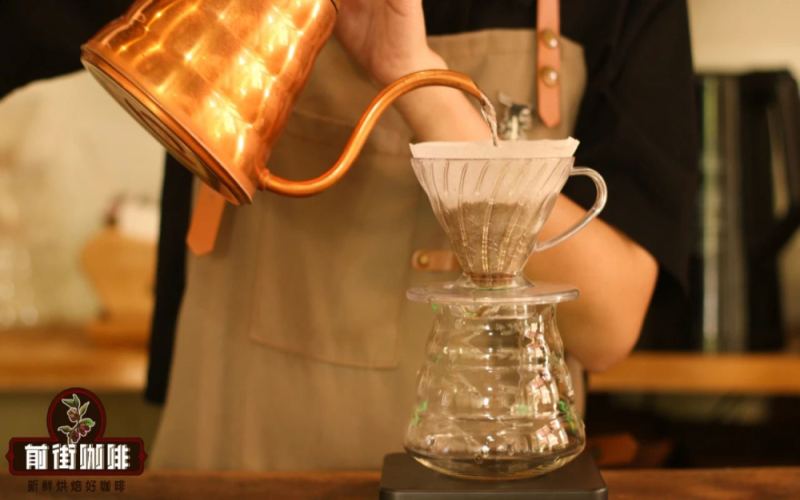
With the development of the specialty coffee market, single-origin coffee is increasingly recognized by the public, so many coffee enthusiasts are teaching themselves how to brew pour-over coffee at home. As a result, coffee-loving friends often ask, when buying coffee beans at Front Street Coffee, how the coffee-to-water ratio for pour-over coffee should be determined. So in this next article, Front Street [more…]